DOCUMENT MANAGEMENT SOFTWARE FOR LEGAL AND HR MATTERS
A document management system for in-house Legal and HR teams
Keep every document connected to the work it supports.
Legal and HR documents are rarely just files.
They are part of a matter, a case, a decision, a negotiation, a workflow, an approval, an investigation, a contract, a performance process, or an employee record.
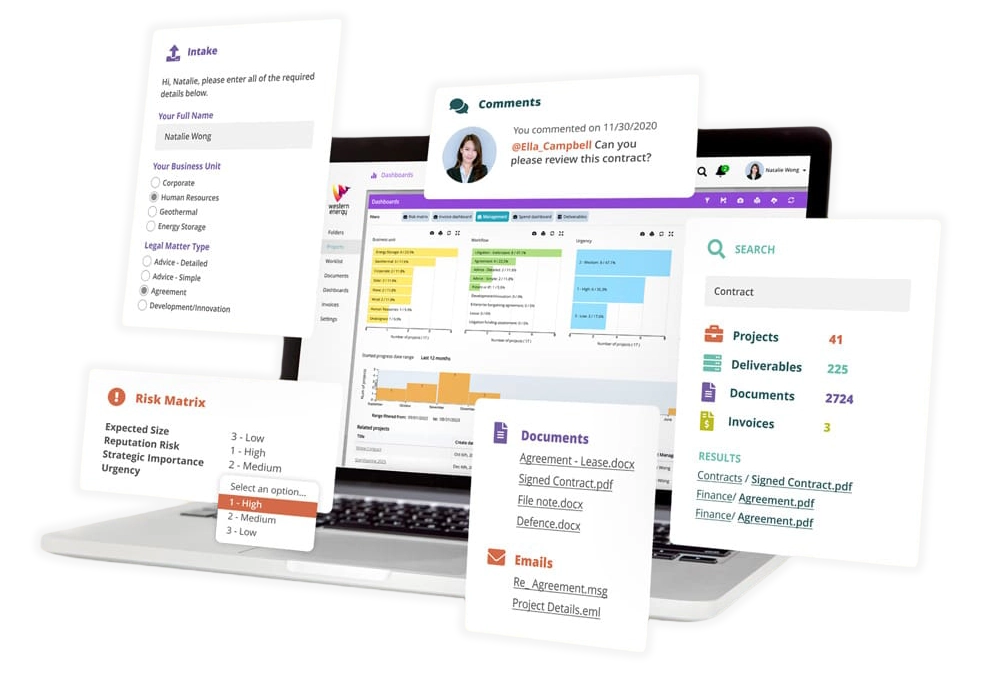
Dazychain helps in-house Legal and HR teams manage documents in context. It works as legal document management software and HR document management software in one platform.
Instead of storing documents separately from the work they support, Dazychain connects documents to matters, tasks, approvals, owners, dates, statuses, notes, audit trails and reporting. That gives every legal document and HR document a matter-centric organization.
The problem: documents are often disconnected from matters
Legal and HR teams often store documents across:
This makes it hard to answer simple questions, and harder to meet legal requirements and regulatory compliance obligations.

DOCUMENT MANAGEMENT
Key features of Dazychain document management
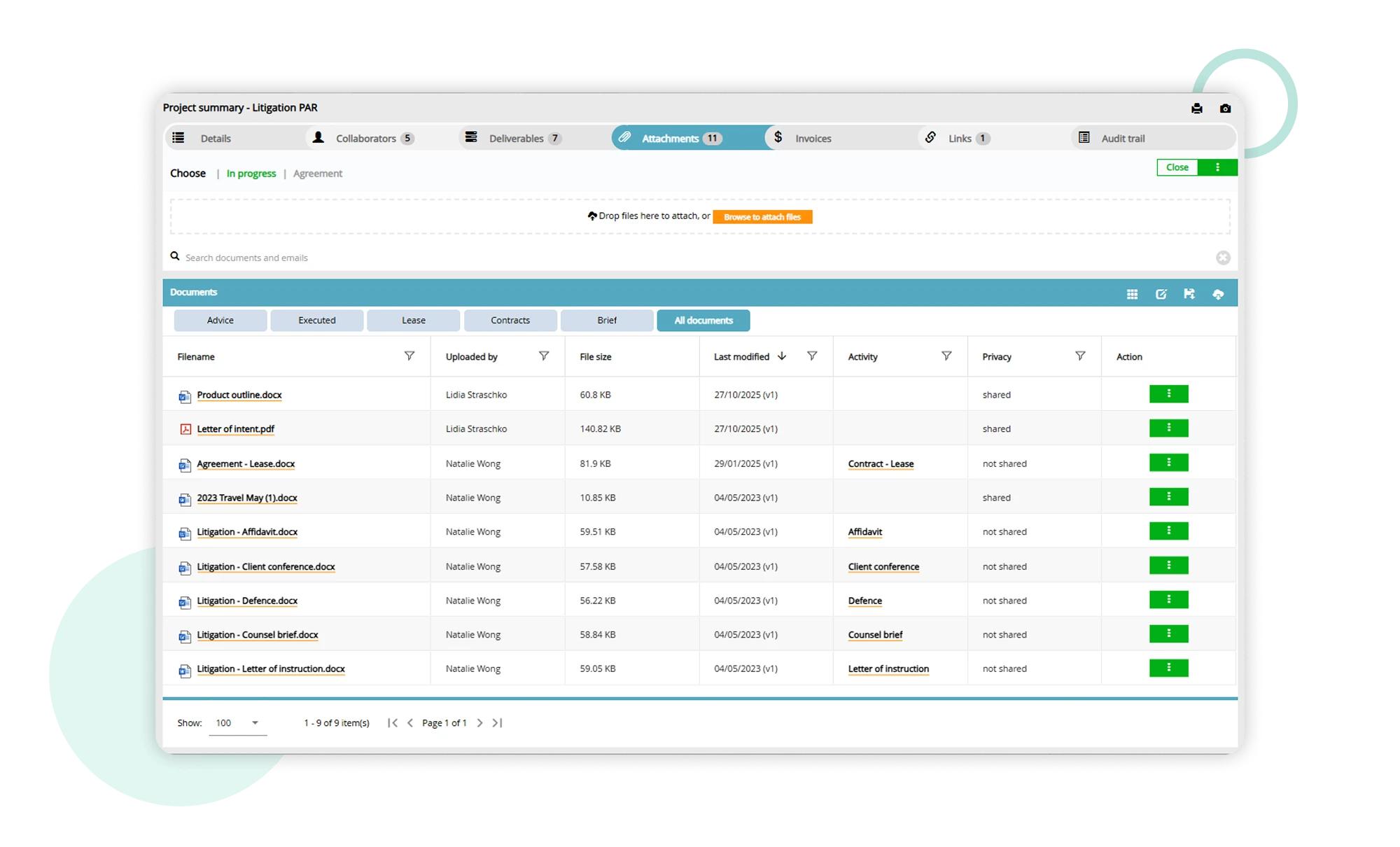
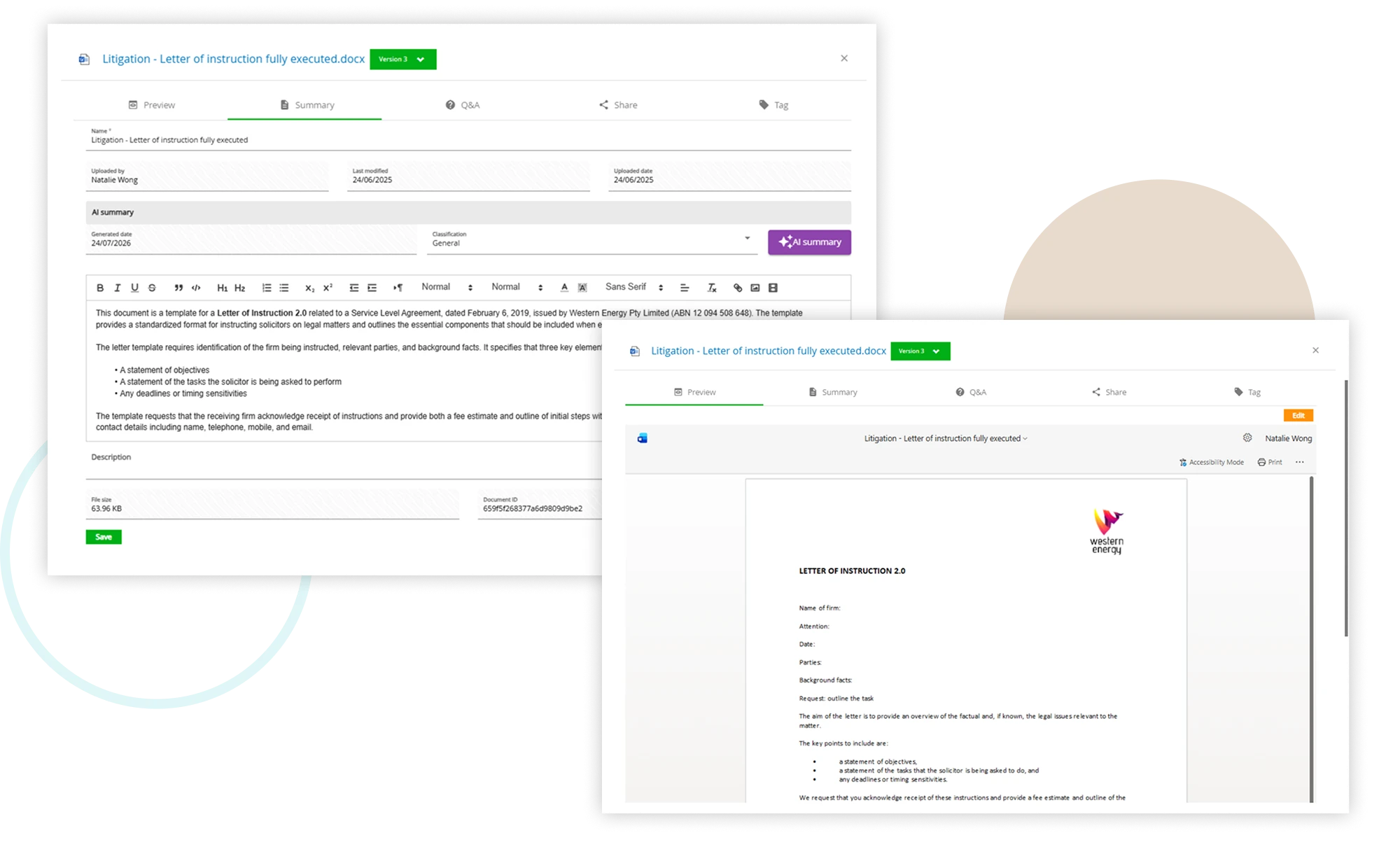
See Dazychain's document management
in action
Document statuses
FEATURES AND BENEFITS
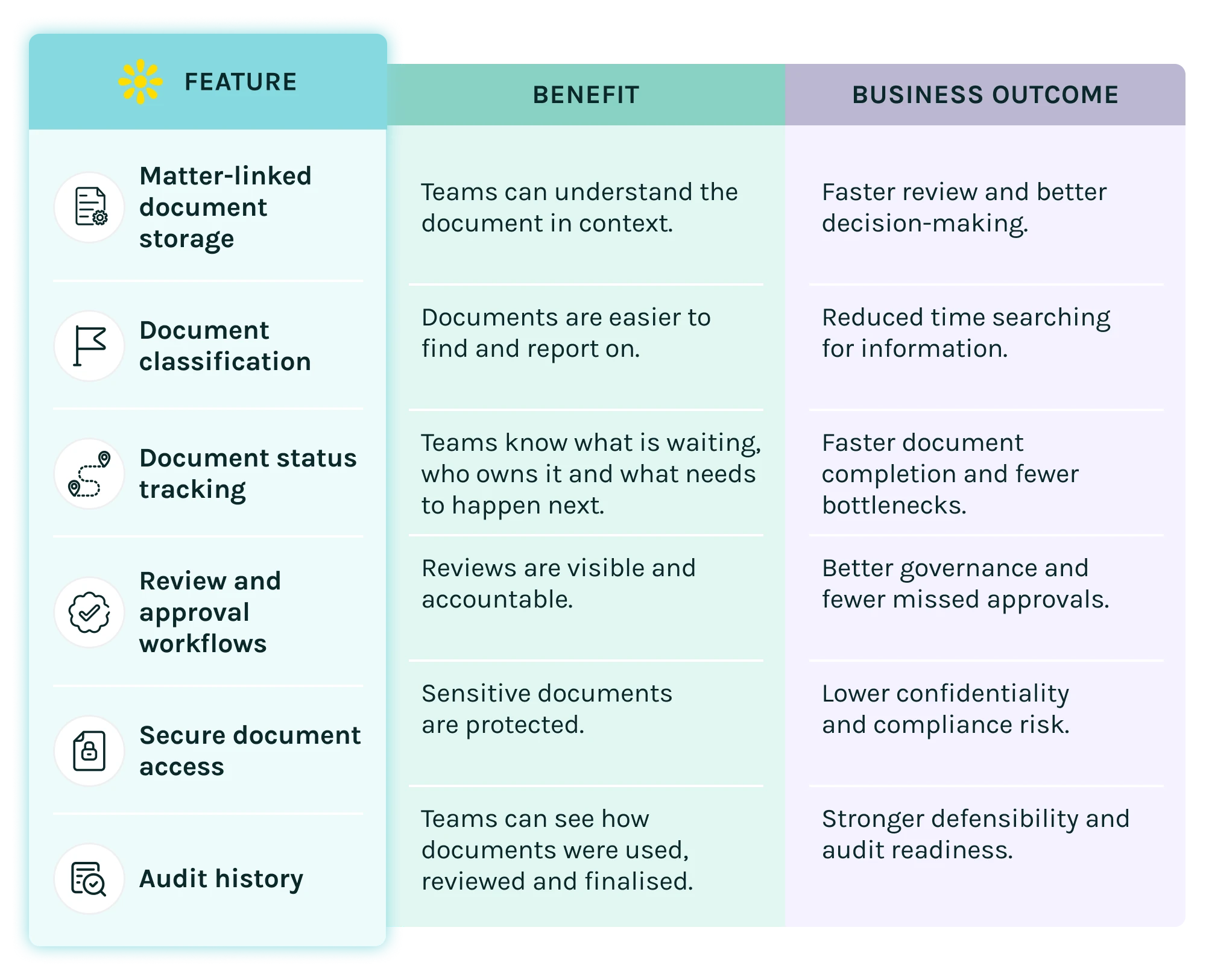
Everything you need to manage documents with confidence
BENEFITS
What Legal and HR teams gain from better document management
BUSINESS OUTCOMES
What changes when documents are
managed well
USE CASES
Where teams use document management
every day
Frequently asked questions about document management in Dazychain
Corporate legal knowledge management refers to the process of storing, searching, sharing, and utilizing information from internal and external matters. In the case of in-house legal teams, sound knowledge management practices include the use of agreed naming conventions, structured and agreed folder and sub-folder structures, and a drive for continuous improvement in process continuity, data collection, and operational standards.
Knowledge management focuses on people, processes, platforms, partnerships, and problem-solving. Dazychain’s robust legal knowledge management software uses a cloud-based platform to standardize processes for lawyers who are a part of in-house legal teams. It is aimed at resolving the biggest challenges that impede the productivity of in-house legal and allow the team to collaborate seamlessly with internal and external partners.
We confirm we log all changes to data in the Dazychain audit log.
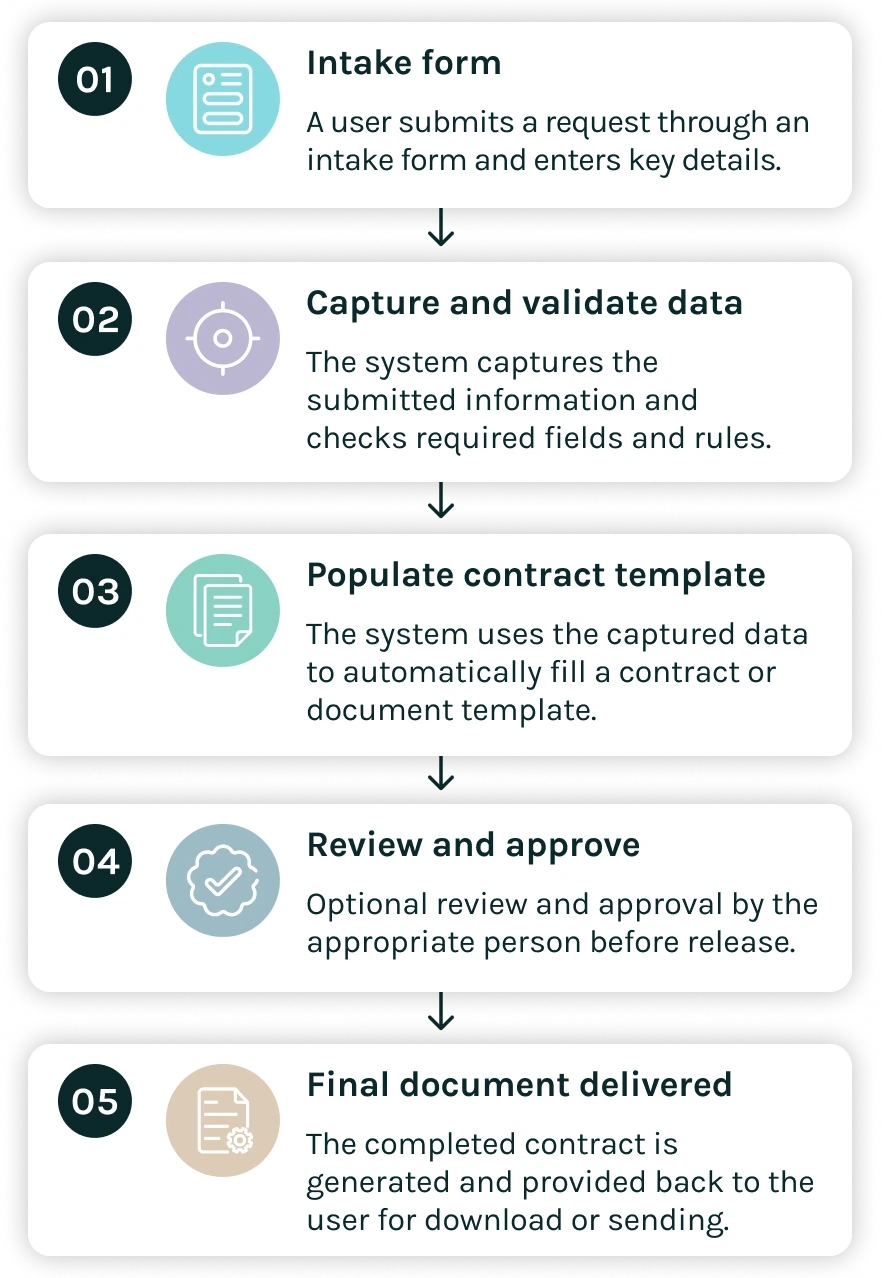
A typical lifecycle starts with creating or receiving a new matter or contract request. From there, users can log key details, upload documents, assign tasks, track deadlines, and collaborate with stakeholders. As work progresses, all emails, documents, and notes are captured in one place. All work is reportable through Dazychain’s dashboards providing a clear, end-to-end record of the entire lifecycle.
Yes. We can migrate data from SharePoint, NetDocuments, and most other document management system
Yes. Users search for an existing matter and file selected messages and attachments with a click (fastest when no attachment renaming is needed).
Yes. Users can search across email content and attachment content (e.g., PDFs and Word documents) once those items are stored in Dazychain.
Legal document management software stores, organises and controls the documents legal teams create and receive. Dazychain keeps each document inside the matter or case it belongs to, with its type, status, owner, key dates, version history, access controls and audit trail, so in-house Legal and HR teams can see the full context.
Shared drives and standalone systems store files separately from the work they support. Dazychain connects documents to matters, tasks, approvals, owners, dates, statuses, notes, audit trails and reporting, so teams can quickly see where the final version is, who reviewed it, whether it was approved and which decision it supported.
Dazychain helps HR teams manage workplace complaint documents, investigation reports, evidence files, witness statements, performance improvement plans, warning letters, termination letters, payroll instructions, offer letters, employment contracts, contract variations, policies, training records, onboarding and offboarding documents, exit interview reports and protected disclosure documents.